Many Jamaicans are demonstrating their disappointment in the government’s recent choice to allow the Chinese to use the Goat Islands as a logistics hub. Allowing China to build this trans-shipment port is another example of the long-standing debate of Economics vs. Environment. Which is more important? Development or preservation? Is there a way to resolve the conflict so that both agendas are met?
Globally, we can see that the demands made on the environment by economics have caused, in some cases, irreparable damage to the environment. While I have no problem with economic development as an aspect of ‘progress’, I do take issue with the scale of production and methods encouraged by economic development that puts the environment under threat and dismisses the idea of sustainability in general. Attempts by local organizations to steer away from this destructive path of material gain have been largely ignored. However, if Jamaica continues this approach of selling our natural resources for short-term economic gain, several consequences to both present and future generations and non-human inhabitants will occur.
 I think part of the problem has to do with how we view ‘development’. The more limited and traditional view of development fails consider the standard of living and other “quality-of-life” matters, thereby not providing an accurate picture of how humans are affected by its effects. Countries, such as India, China, and Sri Lanka, despite, having many citizens suffering from poor health and poverty, are seen to be improving because of their booming GNP. Similarly, it may be that Jamaica’s focus on reducing debt and increasing key-statistical indicators such as GDP and GNP will also satisfy the needs of the environment. That we can just fix what was broken in during our endeavors of development. This does not fly for a number of reasons. First, from a practical perspective, you cannot fix what you no longer own. So the selling of our natural resources immediately takes power to restore it out of our hands. Other islands such as Cayman and Dominica may fall into this potential pitfall as well.
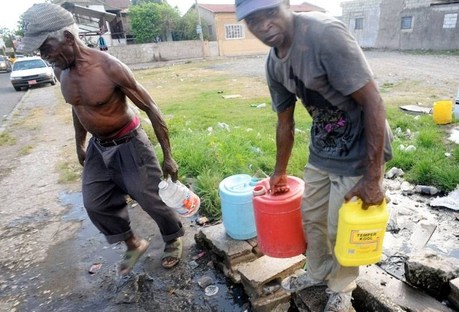
But still, it is argued that prioritizing the environment is unnecessary due to its expense and resulting economic loss. In defending this position, economists hypothesize that a relationship between the environment and economic growth will develop, where as incomes reach a certain level, the stipulation for improvements in environmental quality will become increasingly urgent. This might seem promising for economists who wish to continue mistreating nature. However, this relationship can only happen after a long period of environmental degradation, when irreparable consequences are likely to have already occurred. Admittedly, once income has reached the prescribed level, developed countries will implement environmental protection policies. However, this will result in the outsourcing of production to developing countries (i.e. us), where it is cheaper and restriction-free (haven-pollution hypothesis). Obviously, developing countries do not have the same income level, thus necessitating their lenient regulations towards the environment to attract foreign investment, which makes it increasingly difficult to attain the financial status necessary to consider environmental protection vital. For instance, much of the damage occurring to coastal areas and water supplies in developing countries is being caused by resource extraction and manufacture methods, which meet the demands of developed areas. Poor people also have little say in public policy; therefore, they are in no position to demand changes from their governments. The ecological and economic status of these countries will worsen, resulting in the widening of economic disparity between developed and developing countries. Is this starting to sound familiar?
JET and other local organisations have provided a plethora of reasons that Goat Islands should be preserved please see LINK: http://www.Jamaicaobserver.com/latestnews/JET-s-unedited-letter-to-Dr-Davies-on-Goat-Islands-development
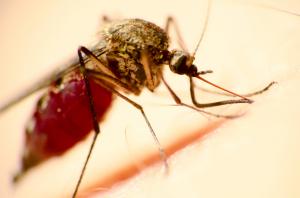
 But for those who are not moved by the loss to our nation or the potential loss of endangered species, one might be persuaded by the potential damage to can do to you as an individual. An anthropocentric view looks at the grave impact that the loss of environmental resources has on the human race, particularly in the case of developing countries and future generations. Many have forgotten that, though humans may be intellectually superior, we are dependent on nature. The failure to protect the environment by implementing damaging methods and approaches can affect our own well-being. For instance the use of coal, (which may be part of the Goat Islands project), has and can cause severe health problems. During the industrial revolution, the quality of air where coal-fired factories were present resulted in a series of air disasters, where thousands died. There are still consequences from any large scale of coal production including climate change, which has proven harmful to humans, contributing to health problems such as cancer. Of course, these problems are more likely to affect developing countries. 12 models project that look at climate change found that malaria could increase by anywhere from 50 to 80 million cases. Developing countries, due to poor socio-economic status and infrastructure are relatively helpless to defend themselves, since they are often without sufficient medical care, food supplies in addition to financial and institutional aid. (please see link for more on health effects of climate change: http://www.who.int/mediacentre/factsheets/fs266/en/
However I do think that there is a middle ground to be found, where the goals of economic development and environmental protection overlap. Of course, it will involve sacrifice and long-term changes on both individual citizens as well as policy makers. Things like eco-tourism, investment in the development of environmentally safe-technology, the use of environmental taxes and the values of recycling are all pathways that can be developed in Jamaica to provide economic sustainability with reduced damage to the environment.
Having said all this…please sign the petition….




 Jamaica Pen Publishers