The Emotional Toll: Mental Health and Women’s Reproductive Conditions
by Denise N. Fyffe
Women’s health encompasses a wide range of issues, and among them, reproductive conditions can have a profound impact, not only physically but emotionally as well.
In this article, we delve into the emotional aspects of dealing with reproductive conditions and the importance of addressing mental health alongside physical health.
Understanding the Emotional Impact
Women facing reproductive conditions, such as endometriosis, polycystic ovary syndrome (PCOS), fibroids, infertility, or complications during pregnancy, often experience a rollercoaster of emotions. Here’s why:
- Pain and Discomfort: Conditions like endometriosis and fibroids can lead to chronic pain and discomfort, affecting daily life and causing frustration and distress.
- Fertility Concerns: For those trying to conceive, fertility issues can be emotionally devastating. The stress of fertility treatments and the uncertainty of outcomes take a toll.
- Body Image and Self-Esteem: Some conditions may lead to changes in physical appearance, such as weight gain or surgical scars, impacting self-esteem and body image.
- Isolation and Loneliness: Coping with reproductive conditions can make women feel isolated, as it’s often challenging to discuss these issues openly.
- Stigma and Misunderstanding: Some conditions, like PCOS or endometriosis, are poorly understood by the general public. Women may feel stigmatized or invalidated when trying to explain their condition to others.
The Connection Between Physical and Mental Health:
- Chronic Stress: Living with a reproductive condition can induce chronic stress, which, over time, can lead to physical health problems like high blood pressure and heart disease.
- Depression and Anxiety: Many women with reproductive conditions experience symptoms of depression and anxiety. The constant pain, uncertainty about the future, and struggles with fertility can contribute to these mental health challenges.
- Impact on Relationships: Coping with a reproductive condition can strain relationships, leading to conflicts with partners, family, or friends.
Seeking Help: The Importance of Mental Health Support
It’s crucial for women facing reproductive conditions to recognize the emotional toll they can take and seek support when needed:
- Talk to a Mental Health Professional: Therapists and counselors can provide strategies for managing stress, anxiety, and depression.
- Support Groups: Joining support groups or online communities can offer a sense of belonging and understanding from others who’ve faced similar challenges.
- Open Communication: Discussing your condition and feelings with loved ones can foster understanding and emotional support.
- Self-Care: Prioritize self-care practices such as mindfulness, relaxation techniques, and exercise to help manage stress.
Conclusion
Women’s reproductive conditions are not just physical health challenges; they encompass a complex interplay of emotions and mental well-being. Recognizing the emotional toll, seeking support, and addressing mental health alongside physical health are vital steps in achieving overall well-being.
By fostering a holistic approach to health, women can navigate the challenges posed by reproductive conditions with resilience and strength. Remember, you’re not alone in this journey, and seeking help is a sign of courage and self-care.
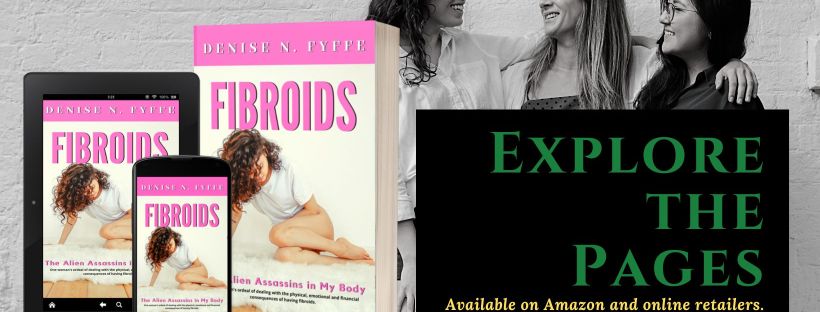
More information is provided in my book. See details below.
*****
About the writer:
Poetess Denise N. Fyffe is a published author of over 50 books, for over 12 years. She is a freelance writer for online publications such as 21st Century Worker among others.
Check out her book Fibroids: The Alien Assassins in My Body

In this testimonial, Denise shares intimate details from her childhood through to adulthood. She discusses, how fibroids or as they are also called myomas, fibromyomas, or leiomyomas, have affected her daily life and the adjustments that she was forced to make. After reading this book, women will become more informed about a disease that affects 80 percent of women; while making life miserable for one in four.
Available at all online book retailers and Amazon.com.
 Jamaica Pen Publishers