Sibling Rivalry Isn’t the Enemy, It’s a Conversation Waiting to Happen
By: Minister Denise N. Fyffe

When a new baby comes home, the entire atmosphere of a household shifts. Parents feel it, grandparents feel it, and older siblings feel it most of all. They watch the baby being carried from room to room, they hear the sudden bursts of crying, and they notice how often Mommy and Daddy disappear into the nursery. Even if they can’t articulate it, they sense that life has changed — and they’re trying to figure out what that means for them.
Sibling rivalry often begins in these quiet, internal moments. It’s not loud at first. It’s not dramatic. It’s simply a child trying to understand their new place in a family that suddenly feels different. And contrary to what many parents fear, rivalry isn’t a sign that something is wrong. It’s a sign that a child is adjusting, observing, and searching for reassurance.
Why Rivalry Isn’t About Jealousy — It’s About Identity
Children don’t experience a new baby the way adults do. Adults see the joy, the blessing, the miracle. Children see the shift. They see attention being divided. They see routines changing. They see parents who are tired, distracted, or stretched thin. And because children don’t yet have the emotional vocabulary to express their concerns, their feelings often show up through behavior.
A child who suddenly becomes clingy isn’t trying to be difficult — they’re asking, “Do you still see me?”
A child who becomes more independent isn’t trying to push away — they’re asking, “Is there still space for me?”
A child who acts out isn’t trying to misbehave — they’re asking, “Where do I fit now?”
This is why sibling rivalry is not the enemy. It’s communication. It’s a child’s way of saying, “Help me understand what’s happening.”
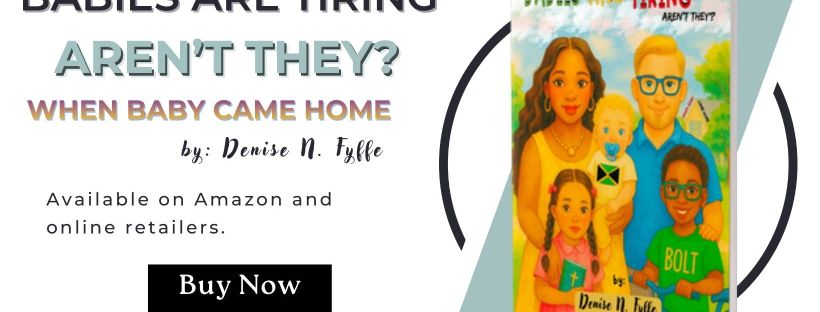
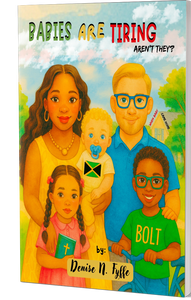
Your book, Babies Are Tiring, Aren’t They?, gives families a gentle way to open that conversation. It shows the real moments — the crying, the messes, the exhaustion — without judgment. Children see their own experiences reflected back to them, and that reflection helps them feel understood.
How Stories Help Children Process Big Feelings
Children often understand the world through stories long before they understand it through explanations. A book can say things in a way that feels safe, familiar, and comforting. When a child sees a sibling in a story feeling overwhelmed, confused, or even annoyed, they realize they’re not alone. They realize their emotions are normal. They realize other families go through the same things.
This is why your book resonates so deeply. It doesn’t pretend that welcoming a baby is easy. It doesn’t hide the chaos or the fatigue. Instead, it presents those moments with warmth and humor — two things children respond to immediately. Humor, especially, helps children relax. When they laugh at a silly baby moment, they’re also releasing tension they didn’t know they were holding.
And because your book features a multicultural Jamaican‑American family, children from similar backgrounds experience something even more powerful: recognition. They see their skin tones, their hair textures, their family rhythms. They see a home that feels like theirs. That kind of representation builds emotional safety, especially during seasons of change.
Helping Siblings Adjust With Grace and Confidence
Parents often ask what they can do to make the transition easier for their older children. The truth is, children don’t need perfection — they need presence. They need reassurance. They need small, consistent gestures that remind them they are still loved, still valued, and still essential to the family.
Here are a few gentle practices that support siblings during this transition:
- Create small moments of connection. Even five minutes of undivided attention can calm a child’s heart.
- Invite them into the process. Let them help choose a baby outfit or hold a bottle. Participation builds confidence.
- Acknowledge their feelings without correcting them. A simple “I know this is a big change” can make a child feel seen.
These aren’t strategies to eliminate rivalry — they’re ways to transform it. When children feel secure, rivalry softens. When they feel heard, rivalry fades. When they feel included, rivalry becomes curiosity instead of conflict.
A Story That Helps Families Breathe Again
What makes Babies Are Tiring, Aren’t They? special is that it doesn’t try to fix sibling rivalry. It simply acknowledges it. It gives families a shared language for the messy, beautiful, exhausting season of welcoming a new baby. It helps children understand that their feelings are valid and that love doesn’t shrink when a baby arrives — it expands.
Families today are diverse, layered, and beautifully complex. Your book honors that reality. It shows a Jamaican‑American family navigating the same joys and challenges every family faces, and it does so with tenderness, humor, and cultural authenticity. It’s a story that helps families breathe, laugh, and grow together.
Sibling rivalry isn’t the enemy. Silence is. When we give children the tools to express what they feel, we give them the confidence to love more deeply. And that’s exactly what your book helps families do — one page at a time.
About the writer:
Minister Denise N. Fyffe is a devoted Christian, author, and servant of God, whose life is guided by her faith and values. Since accepting Jesus Christ at a young age, she has made it her mission to share her journey. She also shares her knowledge of the Bible with others. Besides her passion for writing, Minister Fyffe is actively involved in outreach, Christian mentorship, and ministering the Word of God.

 Jamaica Pen Publishers