There is nothing I like more than my Jamaican Dumplings; from birth till death, if you cook boiled food or soup and no dumplings, I will make certain you won't hear the last of it. My Love For All Things DumplingS My brother and mom's nickname for me is actually dumpling. When I used … Continue reading Jamaican Recipe of the Day: All things Dumplings, Fried Dumpling and Boiled Dumplings
Tag: jamaican food
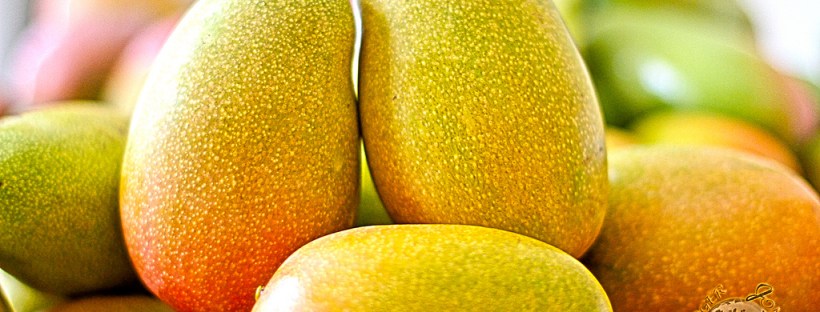
Mango Heaven in Jamaica: Benefits of Eating Mangoes
It's spring and I am in mango heaven. Mango season is here. Unlike past mango seasons where I had to depend on the neighbor’s trees and going to the market, this season I have several mango trees of my own. Julie, blacky, and stringy mangoes are now a simple stroll away, in my back yard. … Continue reading Mango Heaven in Jamaica: Benefits of Eating Mangoes
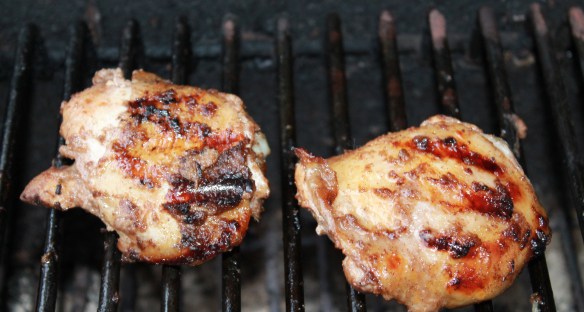
Recipe of the Day: Tasty Jamaican Jerk Seasoning Recipe
Back home, jerk chicken is a common favorite of many Jamaicans. We even have jerk chicken vendors, selling this island favorite in much of our cities across the island. If you visit Kingston and travel to Half Way Tree or towards Papine, at night your nose will be twitching from the aromas steaming out of … Continue reading Recipe of the Day: Tasty Jamaican Jerk Seasoning Recipe
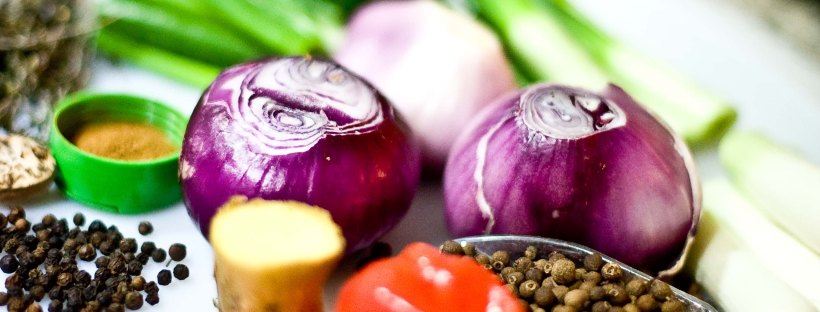
Recipe of the Day: Jamaican Jerk Seasoning
Jamaican Jerk Seasoning Recipe We all love some good Jamaican Jerk food, whether its chicken, pork, fish, shrimp, etc. Jerk just adds a whole new flavor to your meat. You can find Jerk Seasonings almost anywhere around the world, some authentic, some are not, but if you want to guarantee that you are using the … Continue reading Recipe of the Day: Jamaican Jerk Seasoning
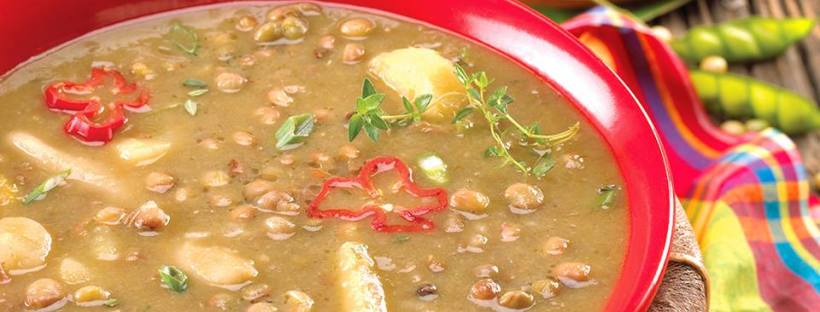
Recipe of the Day: Tasty Jamaican Gungo Peas Soup
Tasty Jamaican Gungo Peas Soup
There is no soup like a real Jamaican Gungo Soup.
We all remember the days from our childhood days coming up when mom and dad or grandma and grandpa would cook some rich gungo soup on the weekend and it would be filled with peas.
Today we give you a recipe to cook up your own no matter where you are. Check it out below.
Preparation time: 10m
Cooking time: 30mIngredients for Jamaican Gungo Soup
For 6 people
![]()
Jamaican Gungo Peas Soup
- 2 medium irish potato
- 1 medium cho-cho
- 6 cups water
- 1/2 cup Coconut Milk
- 2 stalks escallion, crushed
- 2 sprigs thyme
- 4 small pimento berries
- 1 packet Cock Soup Mix
- 1/4 teaspoon salt
- 1/4 teaspoon Black Pepper
- 1 can Gungo Peas
- 1 cup carrots,sliced
Directions for Jamaican Gungo Soup
Bring 4 cups water to a boil and add the diced Irish potatoes and cho-cho. Add Coconut Milk, escallion, thyme, pimento berries, Cock Soup Mix, salt and Black Pepper, and simmer until potatoes and cho-cho are tender. Drain Gungo Peas and add to the soup mix along with the sliced carrots. Lower flame and continue to simmer until soup thickens.To Serve: Soup should be served hot.Recipe brought to you by Grace Foods.
There is no soup like a real Jamaican Gungo Soup. We all remember the days from our childhood days coming up when mom and dad or grandma and grandpa would cook some rich gungo soup on the weekend and it would be filled with peas. Today we give you a recipe to cook up your own no matter where you are. Check it out below.
Preparation time: 10m
Cooking time: 30m
Ingredients
For 6 people (![]()
![]()
![]()
![]()
![]()
)
- 2 medium irish potato
- 1 medium cho-cho
- 6 cups water
- 1/2 cup Coconut Milk
- 2 stalks escallion,crushed
- 2 sprigs thyme
- 4 small pimento berries
- 1 packet Cock Soup Mix
- 1/4 teaspoon salt
- 1/4 teaspoon Black Pepper
- 1 can Gungo Gungo Peas
- 1 cup carrots,sliced
Directions
- Peel and dice potatoes and cho-cho, cover with 2 cups water and set aside.
- Bring 4 cups water to a boil and add the diced Irish potatoes and cho-cho.
- Add Coconut Milk, escallion, thyme, pimento berries, Cock Soup Mix, salt and Black Pepper, and simmer until potatoes and cho-cho are tender.
View original post 78 more words
Jamaican Food: The Jamaican Ackee
This is another element of Jamaica that I would love to share. I absolutely love this fruit and its dishes.
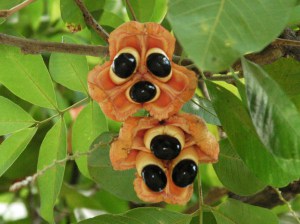
The Ackee is the national fruit of Jamaica. Its name is derived from the West African Akye fufo. It is widely consumed in Jamaica, and Jamaicans are among the only people who eat it. The first evidence of ackee growing in Jamaica was found in the 1700s.
The ackee tree grows eight to fifteen meters tall. It flowers biannually, occasionally more often. The most popular Jamaican dish is known as Ackee and Saltfish (Salted Codfish), but ackee is also combined with callaloo and corned pork, mackerel, bacon or beef for other dishes.
Ackee is such a universal dish, it is even eaten for breakfast, lunch, and dinner. The fruit of the ackee is not edible in its entirety, only the inner, fleshy yellow parts are consumed. The red outer shells are discarded. The presence of hypoglycin A in the immature and over-mature fruit is found in ackee and this makes it poisonous at certain stages in its development, this is why Jamaicans believe that ackee must open naturally to avoid toxicity. It MUST be cooked fully before consumption.
I have two ackee trees in my backyard, so my family and I enjoy ackee whenever the tree blooms, without having to buy any. Ackee trees are very common in Jamaica. After Christmas, the leftover ham from Christmas dinner was always the central meat in most of what we ate until it was all done. One year, my mother combined ackee with ham, and it has been a favorite among my family ever since.
Since I’m all about experimenting, I decided to play with ackee and chicken. I sauteed some chicken breast, along with other seasonings such as sweet peppers (green, yellow, or red), onions, and tomatoes, and behold! Ackee and chicken! I even used leftover jerk chicken from Friday night once to make a Saturday evening dinner. The flavor from the jerk chicken was just absorbed by the ackee and gave it an exquisite taste. I was quite impressed with myself
My mother’s Ackee and Ham with fried dumplings and fried plantains.
Ackee is such a flexible delicacy, and we Jamaicans are very unique with the myriad of ways we consume it. You can eat it with just about any meat, or any starch. For a quick breakfast or lunch, I like to mush the ackee and spread it on two slices of toast or spread it on crackers. It is more often served with fried dumplings for breakfast and boiled dumplings for lunch/dinner. It is also served with starches such as Yams, Potatoes, Dasheen, and Pumpkin.
*****
About the writer:
Poetess Denise N. Fyffe is a published author of over 40 books, for more than ten years and enjoys volunteering as a Counselor. She is a trainer, publisher, author, and writing mentor; helping others to achieve their dreams.Check out her book Treasures of Colombia
This book shares some of the delicious cuisine found in Colombia; from empanadas to arepa boyacense, and bandeja paisa to arepa de huevo. Colombian street food is especially important in Colombian culture because it brings people together. They enjoy sitting in groups with family or friends, blocking off the sidewalks and alleyways as they devour tasty morsels of Colombian cuisine steeped in spices and ingredients.
Available at all online book retailers and Amazon.com.
Copyright © 2021, Denise N. Fyffe
This is another element of Jamaica that I would love to share. I absolutely love this fruit and its dishes.
The Ackee is the national fruit of Jamaica. Its name is derived from the West African Akye fufo. It is widely consumed in Jamaica, and Jamaicans are among the only people who eat it. The first evidence of ackee growing in Jamaica was found in the 1700s. The ackee tree grows eight to fifteen metres tall. It flowers biannually, occasionally more often. The most poular Jamaican dish is known as Ackee and Saltfish (Salted Codfish), but ackee is also combined with callaloo and corned pork, mackerel, bacon or beef for other dishes. Ackee is such a universal dish, it is even eaten for breakfast, lunch, and dinner.The fruit of the ackee is not edible in its entirety, only the inner, fleshy yellow parts are consumed. The red outer shells are discarded. The presence of…
View original post 438 more words
Recipe of the Day: Jamaican Bammy
The Bammy is a popular Jamaican starch that is well known because it goes great with the national dish, Ackee and Saltfish. Today we give the extra simple recipe for this side dish, it will be the easiest thing you have ever made in your life, not even water has this few ingredients.
The Bammy is a popular Jamaican starch that is well known because it goes great with the national dish, Ackee and Saltfish. Today we give the extra simple recipe for this side dish, it will be the easiest thing you have ever made in your life, not even water has this few ingredients (lol). Check it out below.
Ingredients
For 1 Dozen(s) (
)
- 2 pound(s) cassava
- 1 teaspoon(s) salt
Bammy Directions
Peel and grate cassava. Place it in a muslin cloth, wring out and discard the juice.
Add salt to the cassava flour and mix together.
Heat bammy griddle or fry pan over moderate heat. Place about 1 cup of the mixture in a bammy ring on the heated griddle, if not, place on a greased shallow baking or fry pan. Press down on the mixture to flatten. A regular bammy should be at least (6″) or 15 cm in diameter, or…
View original post 110 more words
The Jamaican Ackee
I absolutely love the Jamaican ackee fruit and its dishes.
The Ackee is the national fruit of Jamaica. Its name is derived from the West African Akye fufo.
It is widely consumed in Jamaica, and Jamaicans are among the only people who eat it. The first evidence of ackee growing in Jamaica was found in the 1700s.
The ackee tree grows eight to fifteen meters tall.
It flowers biannually, occasionally more often.
Jamaican Ackee Recipes
The most popular Jamaican dish is known as Ackee and Saltfish (Salted Codfish), but ackee is also combined with callaloo and corned pork, mackerel, bacon or beef for other dishes.
Ackee is such a universal dish, it is even eaten for breakfast, lunch, and dinner.
Not All of the Ackee is Edible
The fruit of the ackee is not edible in its entirety.
Only the inner, fleshy yellow parts are consumed. The red outer shells are discarded. The presence of of hypoglycine A in the immature and over-mature fruit is found in ackee and this makes it poisonous at certain stages in its development.
This is why Jamaicans believe that ackee must open naturally to avoid the toxicity. It MUST be cooked fully before consumption.
I have two ackee trees in my backyard, so my family and I enjoy ackee whenever the tree blooms, without having to buy any.
Ackee trees are very common in Jamaica.
After Christmas, the leftover ham from Christmas dinner was always the central meat in most of what we ate until it was all done. One year, my mother combined ackee with ham, and it has been a favourite among my family ever since.
Since I’m all about experimenting, I decided to play with ackee and chicken.
I sauteed some chicken breast, along with other seasonings such as sweet peppers (green, yellow, or red), onions, and tomatoes, and behold!
Ackee and chicken!
I even used leftover jerk chicken from Friday night once to make a Saturday evening dinner. The flavour from the jerk chicken was just absorbed by the ackee and gave it exquisite taste. I was quite impressed with myself
Nothing Like Mi JamaicanAckee
My Mother’s Ackee and Ham with fried dumplings and fried plantains.
Ackee is such a flexible delicacy, and us Jamaicans are very unique with the myriad of ways we consume it.
You can eat it with just about any meat, or any starch. For a quick breakfast or lunch I like to mush the ackee and spread it on two slices of toast, or spread it on crackers.
It is more often served with fried dumplings for breakfast, and boiled dumplings for lunch/dinner. The Jamaican Ackee is also served with starches such as Yams, Potatoes, Dasheen and Pumpkin.
This is another element of Jamaica that I would love to share. I absolutely love this fruit and its dishes.
The Ackee is the national fruit of Jamaica. Its name is derived from the West African Akye fufo. It is widely consumed in Jamaica, and Jamaicans are among the only people who eat it. The first evidence of ackee growing in Jamaica was found in the 1700s. The ackee tree grows eight to fifteen metres tall. It flowers biannually, occasionally more often. The most poular Jamaican dish is known as Ackee and Saltfish (Salted Codfish), but ackee is also combined with callaloo and corned pork, mackerel, bacon or beef for other dishes. Ackee is such a universal dish, it is even eaten for breakfast, lunch, and dinner.The fruit of the ackee is not edible in its entirety, only the inner, fleshy yellow parts are consumed. The red outer shells are discarded. The presence of…
View original post 403 more words
Recipe of the Day: Jamaican Banana Bread
Ingredients for Jamaican Banana Bread 4 overly riped bananas 2 cups flour 1 tsp baking powder 1 tsp baking soda 1/4 cup butter 3 eggs 1/4 cup sugar Pinch of salt 1 tsp vanilla 1 tsp almond 1 cup milk plain or coconut (optional raisins optional Method to Prepare Jamaican Banana Bread Lightly mix all … Continue reading Recipe of the Day: Jamaican Banana Bread
Recipe of the Day: The Jamaican Pineapple
The Jamaican Pineapple The Jamaican pineapple is indigenous to South America mainly Brazil and Paraguay. The Tainos Indians who were originally from South America brought the pineapple to Jamaica and the rest of the Caribbean. They were the first foreigners to arrive in Jamaica which happened before long before Christopher Columbus was born. About The … Continue reading Recipe of the Day: The Jamaican Pineapple