Eye on AI: White House Directs Banks to Use Anthropic Mythos
by Let’s Data Science
The White House is urging America’s largest banks to evaluate Anthropic‘s Claude Mythos as a tool to surface cybersecurity vulnerabilities and harden defenses. A Bloomberg report dated April 10 says several top U.S. banks have begun internal tests. Treasury and the Federal Reserve met with bank executives to press the case and to treat Claude Mythos as a practical tool for defensive assessments. A Treasury spokesperson said, “President Trump and the Administration are continuing to engage on AI security in a thoughtful manner.” Anthropic has also launched an early-access partner program for Claude Mythos and recently rolled out Claude Managed Agents for enterprise automation.
Technical details
Claude Mythos is being positioned by Anthropic for defensive use cases rather than general consumer chat. Practitioners should note these implementation points for pilot and evaluation work:
- Intended uses include proactive red teaming, vulnerability discovery, and orchestration of remediation workflows using agents such as Claude Managed Agents.
- Early-access partner programs typically involve curated datasets, privileged support, and feature gating; expect limits on scale and API surface during pilots.
- Operational security controls will be essential: sanitized test data, strict access controls, logging for model outputs, and validation pipelines for suggested fixes.
Context and significance
This is a rare instance of the U.S. executive branch advocating a specific vendor model for defensive audits of critical infrastructure. The guidance accelerates the normalization of large language models as tools in enterprise cybersecurity, and it tightens the feedback loop between regulators, financial institutions, and model providers. For Anthropic, this is both a commercial and reputational inflection point: the company moves deeper into enterprise security partnerships at a time when regulators demand demonstrable mitigation capabilities. For banks, the move lowers the barrier to adopting generative AI for security, but it raises operational risk questions about model hallucinations, data handling, and dependency on a single vendor for defensive intelligence.
What to watch
Monitor pilot results, the set of banks that publicly confirm deployments, and any interoperability or standards work from Treasury or interagency taskforces. Pay attention to how financial institutions validate model findings and integrate them into incident response and change-control pipelines.
*****
About curator: Denise N. Fyffe is a published author of over 100 books, for more than fifteen years, and enjoys gardening, and volunteering. She is a trainer, publisher, author, and writing mentor, helping others to achieve their dreams.
FEATURED BOOKS

My Life in LMS

Genesis of LMS

The Impact of LMS

Developing People in Learning Organizations

Career Development for National Growth

How to Keep Writing Guide

Write the Book Already!

The American Family

The Global Family

The Modern Family

The Blended Family

The Caribbean Family

The Expert Teacher‘s Guide

School Counselling in Jamaica

The Guidance Counsellors Handbook

Philosophy of Education & Work

Sophie’s Place
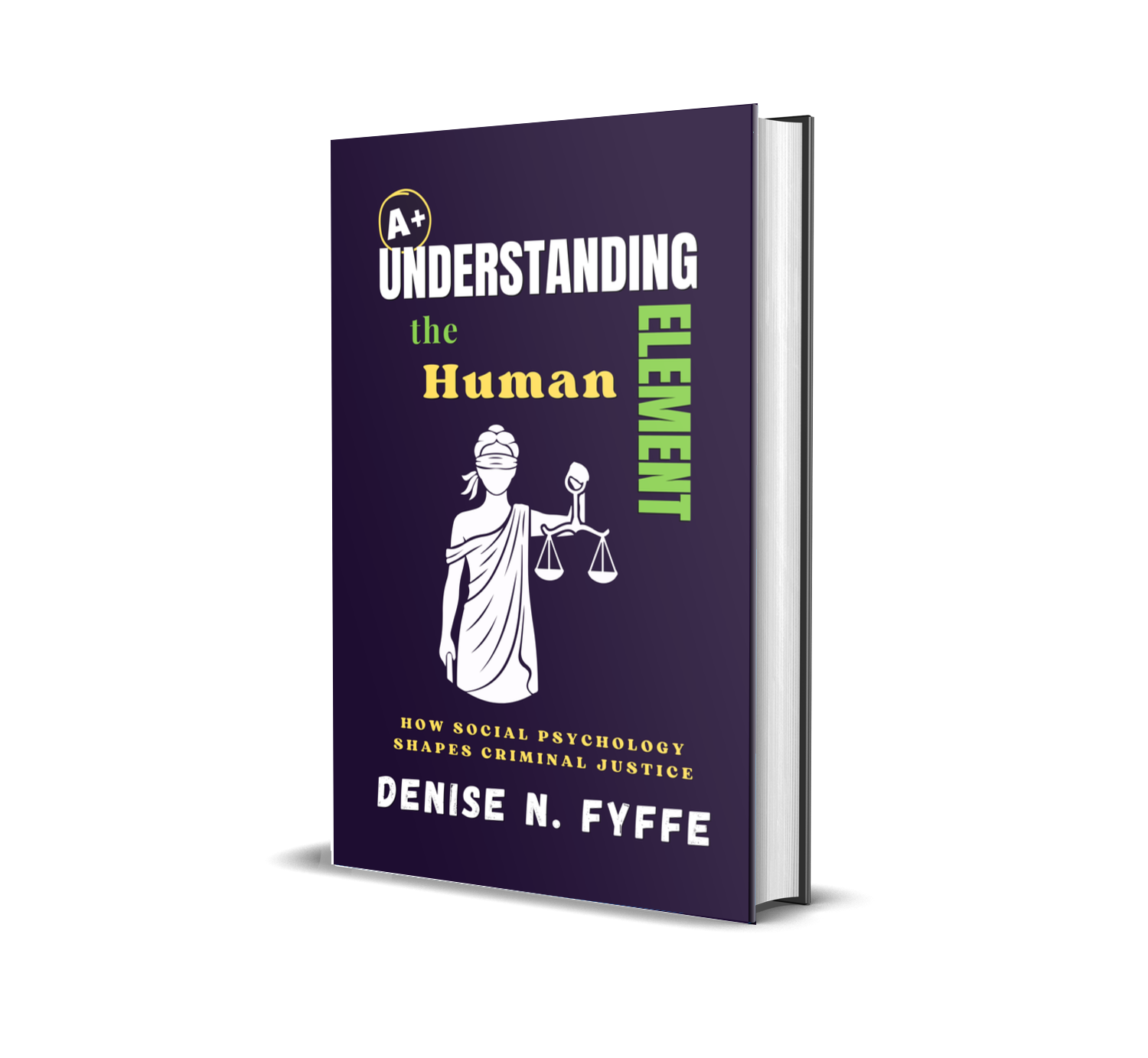
Understanding the Human Element
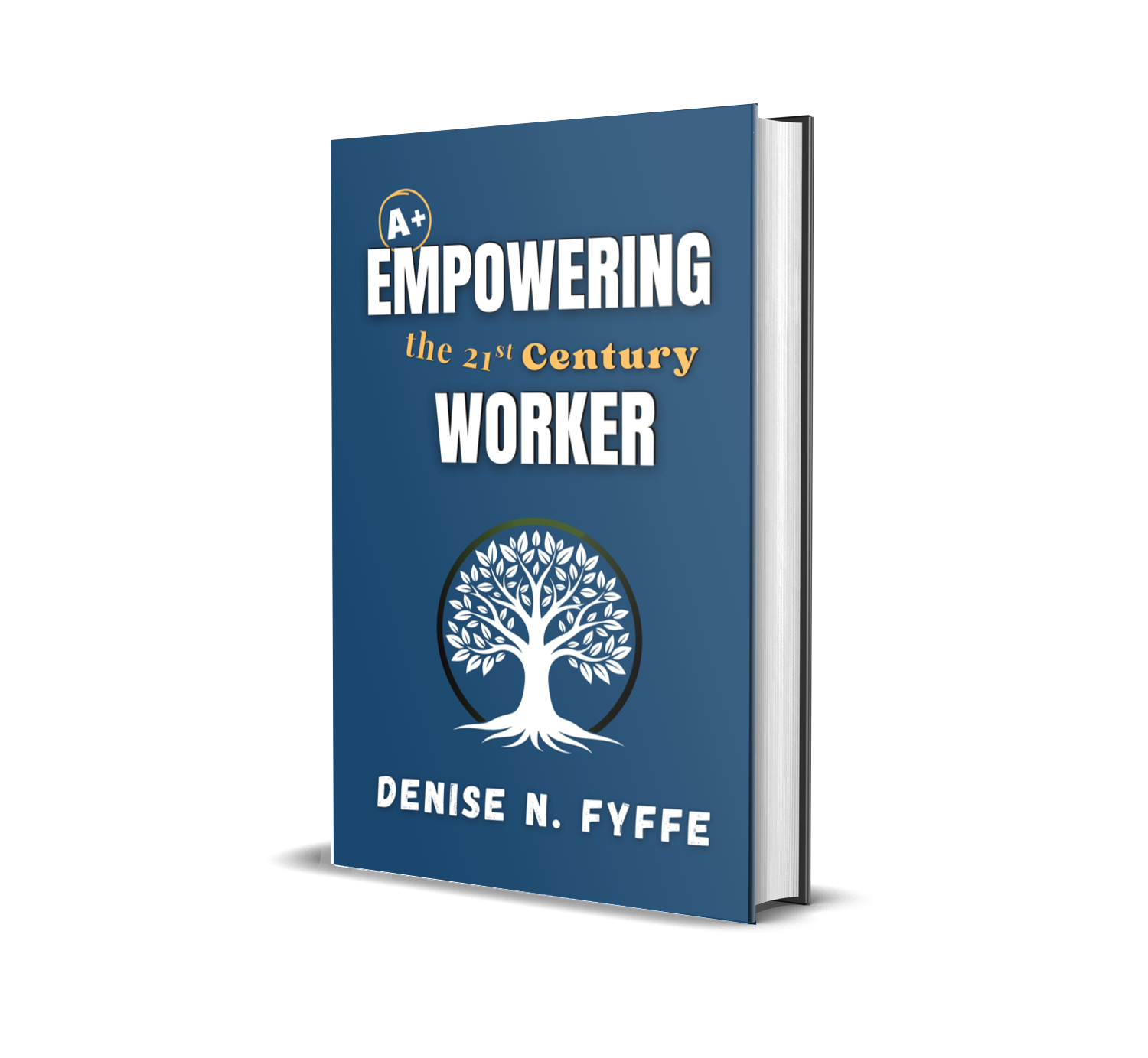
Empowering the 21st Century Worker

The Impact of Trade Unions in Jamaica
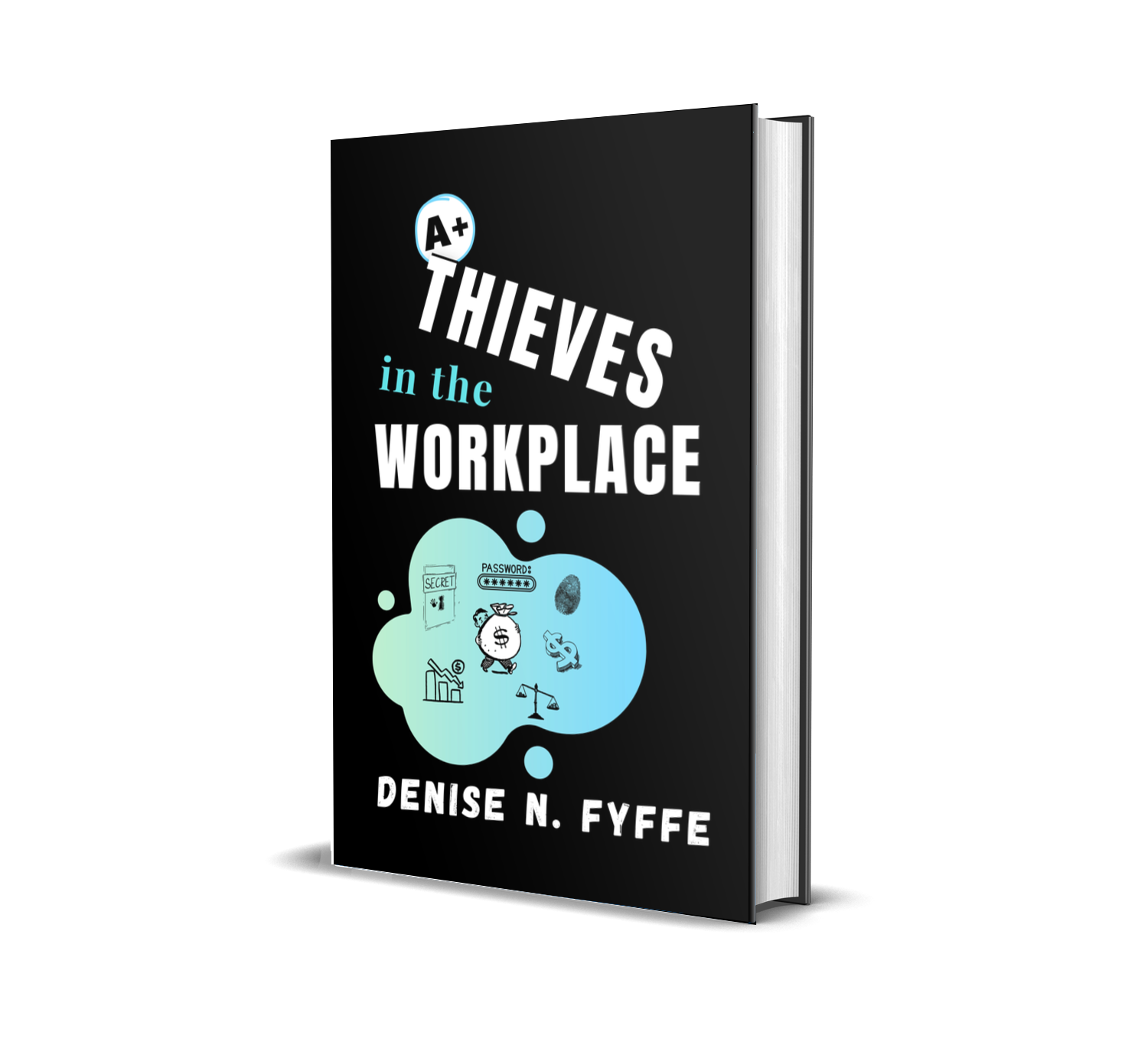
Thieves in the Workplace

The Psychology of Workplace Theft
 Jamaica Pen Publishers