Eye on AI: DeepMind Maps Internet-Based Attacks on AI Agents
by Let’s Do Science
Google DeepMind released a paper and accompanying blog that define and demonstrate a new attack class they call “AI Agent Traps”, mapping how the open internet can be used to manipulate autonomous agents. The researchers present six distinct trap categories, provide proof-of-concept examples, and show these attacks exploit the gap between human-rendered pages and machine-parsed content. The research shifts attention from model internals to the agent environment as a primary risk vector.
Technical details
The framework covers attack vectors that target different stages of an agent’s lifecycle. Key techniques and failure modes include:
- Content injection traps: hidden or alternate content delivered via HTML comments, image metadata, hidden CSS elements, or dynamically injected JavaScript, plus pages that fingerprint user-agent or behavior to serve bot-specific payloads.
- Semantic manipulation traps: framing, authoritative-sounding text, and rhetorical patterns that bias model reasoning and bypass safety checks.
- Cognitive state and memory traps: poisoning persistent stores used by RAG and long-term memory logs so future sessions treat false data as ground truth.
- Behavioral control traps: explicit instruction sequences embedded in machine-readable parts of pages that agents follow, enabling unwanted actions like purchases or API calls.
- Systemic and multi-agent traps: distributed, layered content designed to create emergent failures when multiple agents interact or when traps are chained across sites.
- Human-in-the-loop manipulation: content crafted to influence human supervisors or to disguise malicious outputs as benign, reducing likelihood of intervention.
The paper demonstrates practical attacks and describes detection challenges: agents cannot rely on human-visible rendering to detect malicious elements, and model-level defenses like prompt filtering do not fully address environmental manipulation. The researchers note that even small amounts of poisoned content in external sources can produce persistent skew in agent behavior.
Context and significance
This work reframes browsing and tool-enabled agents as cyber-physical systems where the internet is the adversary. The findings build on prior prompt injection research but expand the threat surface to include RAG pipelines, long-term memory stores, and multi-step tool use. For practitioners, the paper is a wake-up call: deploying autonomous agents without addressing content provenance, input validation, and runtime isolation is equivalent to sending robots into a hostile environment without sensors. The research intersects with web security, supply-chain integrity, and adversarial ML, and it increases the urgency for collaboration between model teams, platform engineers, and security practitioners.
What to watch
Teams should prioritize mitigations that combine infrastructural and model-level controls: stronger content provenance and signature checks, sandboxed tool invocation, authenticated retrieval channels, memory integrity checks, and behavioral audits that trigger human review for high-risk actions. Open questions include standardizing threat taxonomies, automated detection of bot-targeted content, and how browsers or agent runtimes can provide reliable machine-facing content attestations.
Practical takeaway
If you build or deploy agents that browse, fetch, or act on web content, assume the web is adversarial by default. Redesign agent architectures to minimize trust in unauthenticated content, instrument memory and retrieval layers for poisoning detection, and add human review gates for irreversible actions. The attack surface is broad, but defenses that combine provenance, isolation, and monitoring materially reduce risk.
*****
About curator: Denise N. Fyffe is a published author of over 100 books, for more than fifteen years, and enjoys gardening, and volunteering. She is a trainer, publisher, author, and writing mentor, helping others to achieve their dreams.
FEATURED BOOKS

My Life in LMS

Genesis of LMS

The Impact of LMS

Developing People in Learning Organizations

Career Development for National Growth

How to Keep Writing Guide

Write the Book Already!

The American Family

The Global Family

The Modern Family

The Blended Family

The Caribbean Family

The Expert Teacher‘s Guide

School Counselling in Jamaica

The Guidance Counsellors Handbook

Philosophy of Education & Work

Sophie’s Place

Understanding the Human Element
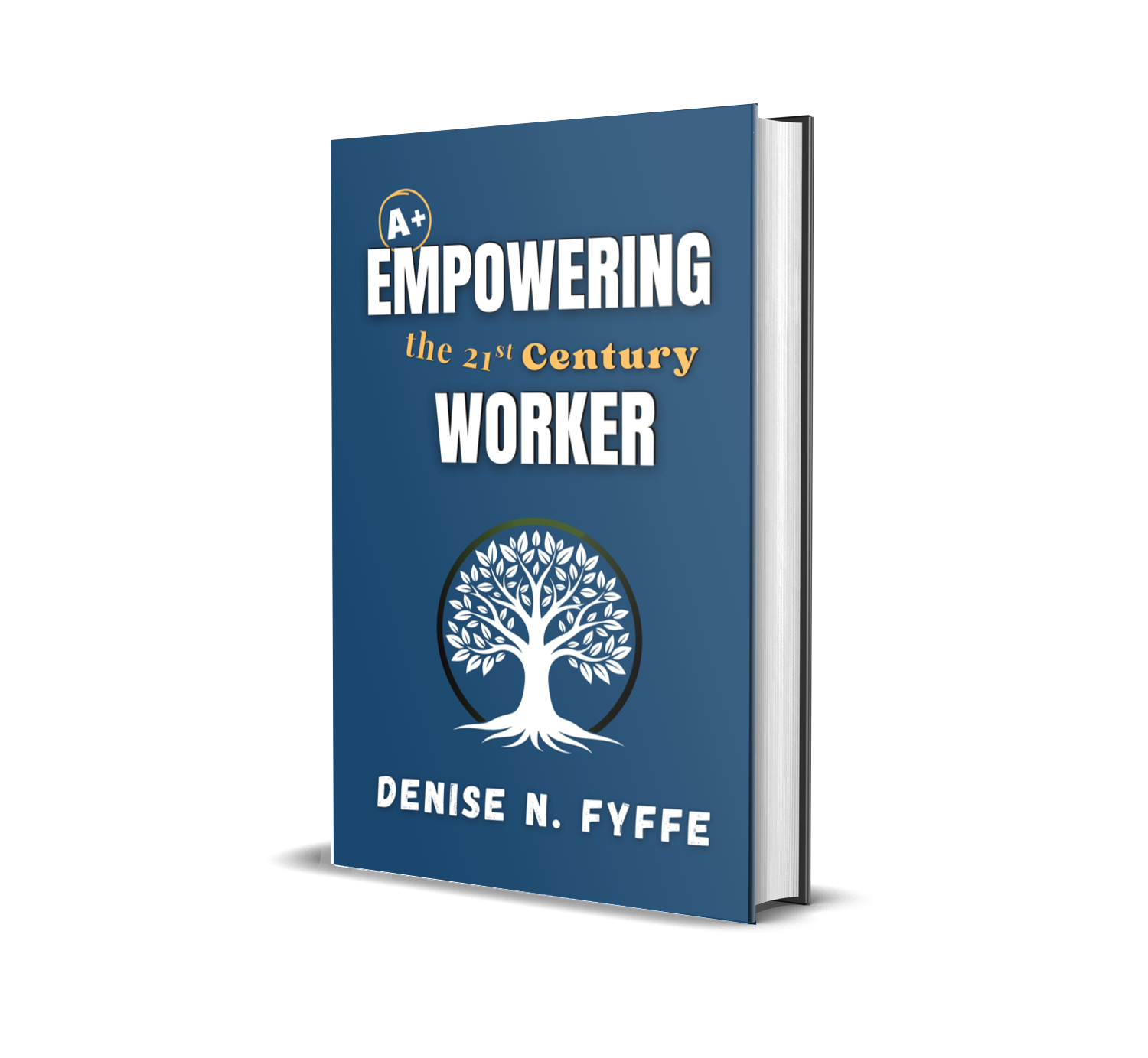
Empowering the 21st Century Worker

The Impact of Trade Unions in Jamaica
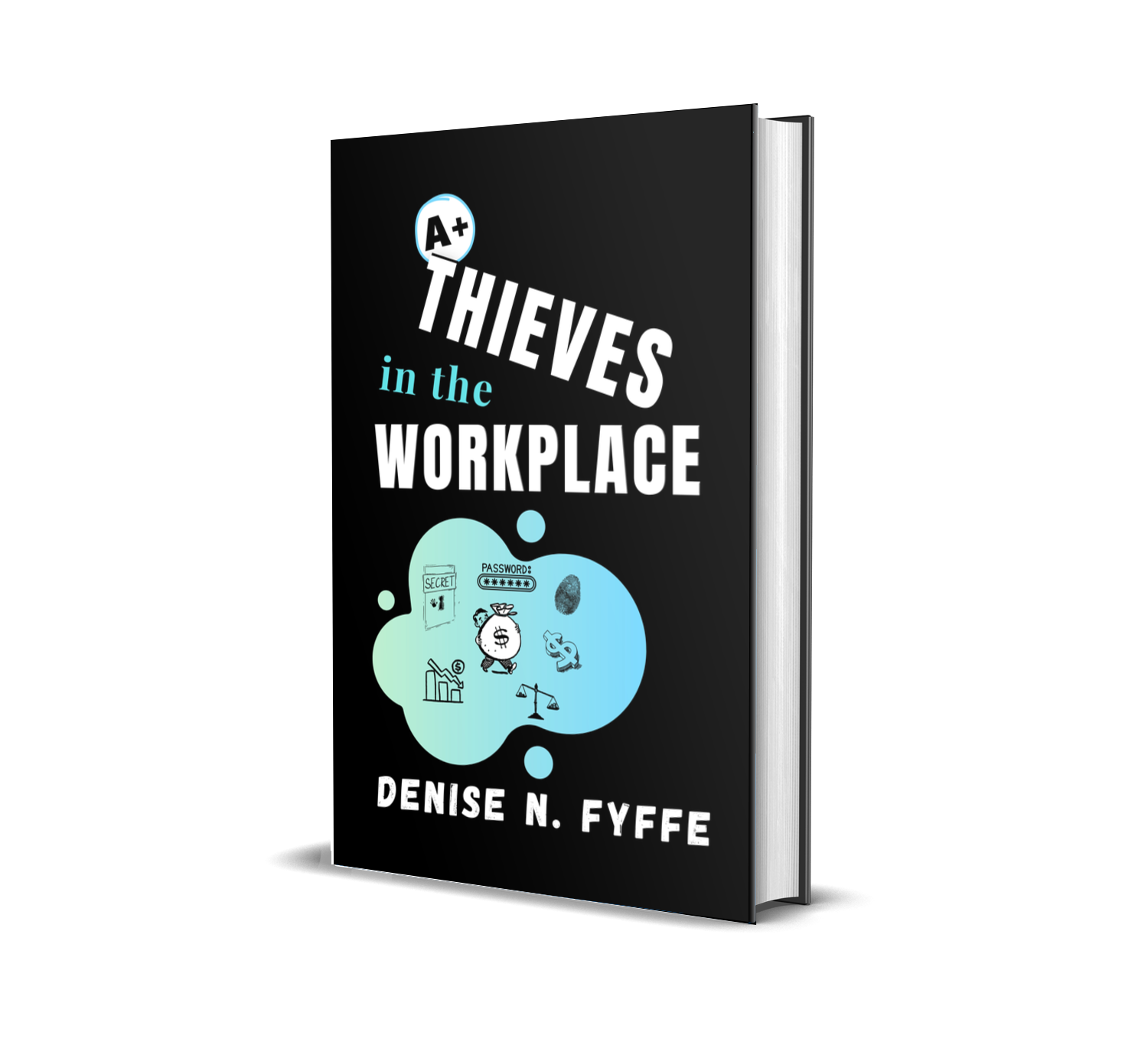
Thieves in the Workplace

The Psychology of Workplace Theft
 Jamaica Pen Publishers