
Harmony Among Step‑Siblings in a Blended Family
by: Denise N. Fyffe
Harmony between step‑siblings does not happen automatically. It grows slowly, shaped by patience, emotional safety, and the willingness of adults to guide children through unfamiliar territory. When families blend, children are asked to share space, routines, and relationships with people they did not choose. They must adjust to new personalities, new expectations, and new emotional dynamics — all while navigating their own feelings about the changes in their family.
Building harmony requires intentionality, cultural awareness, and a deep understanding of how children form bonds.
Step‑siblings often enter the family with different histories. One child may come from a home marked by stability, while another may have experienced loss or upheaval. One may be eager to connect, while another may be cautious or withdrawn. These differences are not obstacles; they are starting points. Harmony grows when adults recognize these differences and create space for each child’s emotional journey.
Culture shapes how children relate to siblings and step‑siblings. In many Caribbean and African households, siblings are expected to support one another, share responsibilities, and show respect to older siblings. These expectations can help create structure, but they can also create pressure if children are not emotionally ready.
In South Asian families, birth order and hierarchy influence how children interact, sometimes making it difficult for step‑siblings to find their place. In Western homes, children may be encouraged to express their feelings openly but may still struggle with comparison and competition. These cultural patterns influence how harmony is built and how conflict is resolved.
Harmony begins with emotional safety. Children need to feel secure in their relationship with their biological parent before they can open themselves to new siblings.
When children fear losing attention or affection, they may resist forming bonds with step‑siblings. When they feel reassured that their place in the family is secure, they become more open to connection. Emotional safety is the foundation upon which harmony is built.
Children also need clarity. They need to understand the new family structure — who lives in the home, how responsibilities are shared, and what the expectations are. When roles are unclear, children may feel anxious or competitive. When expectations are consistent, children feel more grounded. Clarity reduces confusion and helps children navigate the new dynamics with confidence.
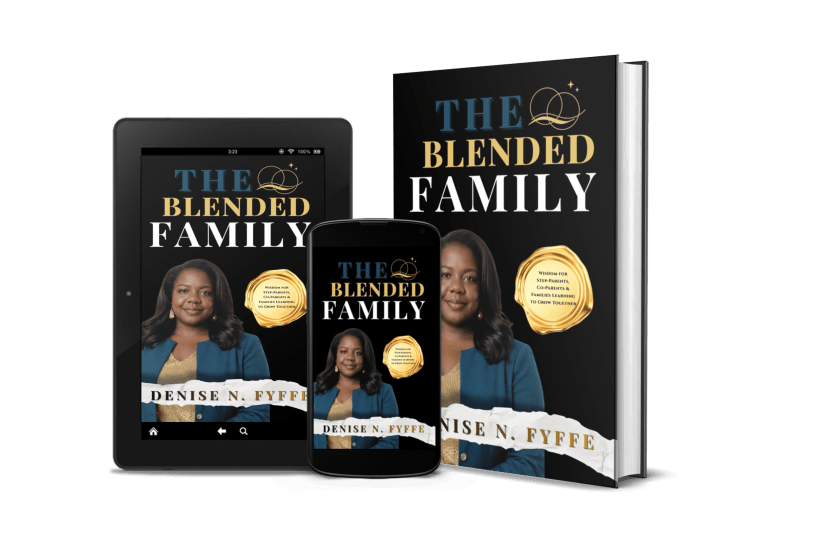
If you are ready to learn more about the family, get copies from The Family Book Series. Whether you are raising children, blending families, healing generational patterns, or simply seeking a deeper understanding of the people you love, this series provides the wisdom and perspective to support you on the journey.
Before you go, please remember to like, share and click the Follow button to subscribe and support our ministry and website. Also, you can visit the Bookstore page to purchase any of the books there. Thanks for your support.
About the writer:
For over 20 years, Denise N. Fyffe experience spanned education, IT, publishing, and ministry leadership. Her career has been defined by a deep commitment to empowering others through education & transformational resources. As Founder of Revealing the Christian Life Ministry, Academy and Foundation, she has built an international ministry that reaches tens of thousands of people annually across over 200+ countries.
She has also authored and published 100+ books (fiction & non-fiction). This also led to her work as a content editor & publisher. Moreover, Denise enjoys traveling, gardening, volunteering or coaching aspiring writers. As one of the board members of the Jamaica Writers Society, she is passionate about sharing her culture & progressing the cause of writers.

 Jamaica Pen Publishers