Apple’s Siri Redesign, Features and Future Impact
Source: Let’s Do Science
Apple is previewing a visual and platform-level overhaul of Siri that will debut with iOS 27 and macOS 27 at WWDC on June 8. Teaser artwork and internal reporting describe a new interface that emerges from the Dynamic Island, expands into a glowing pill with a “Search or Ask” prompt and cursor, and lives both as a systemwide agent and a standalone Siri app. The initiative, reportedly code-named Campo, is tied to Apple Intelligence and new foundation models including a partnership using Gemini technology.
Technical details
The redesign aims to convert Siri from a limited voice helper into a conversational agent with persistent context and cross-app control. Reported technical and product elements to note:
- A standalone Siri app that stores past conversations and centralizes chat history, mirroring chatbot UX.
- Systemwide “Ask Siri” invocation that expands the Dynamic Island into an interactive input pill with a glowing cursor and text field labeled “Search or Ask”.
- Extensions architecture to let users route requests to third-party chatbots, effectively allowing selection of external models inside Siri.
- Deeper personal-context access, with Siri able to read messages, emails, notes, and interact with app content to complete tasks.
- Foundation-model backend changes, reportedly leveraging Gemini-based models for core capabilities while keeping some Apple-built models and interfaces in the stack.
Context and significance
This is Apple shifting Siri from a device-level assistant to a platform AI agent, aligning with industry moves toward chat-driven interfaces. The UI focus, including a small, ambient invocation inside the Dynamic Island, shows Apple prioritizing low-friction, always-available interactions rather than full-screen chat experiences. Allowing third-party chatbot integrations via Extensions is especially consequential because it opens a new distribution and monetization path for outside models and subscriptions within Apple’s ecosystem. That also creates a new axis of competition between in-house foundation models and external specialist AIs.
For developers and ML practitioners, the changes create concrete opportunities and risks. A standardized Extensions API or marketplace would let model providers plug into system-level queries, but it also invites App Store rules, review policies, and platform fees. The deeper access to personal data raises privacy and data governance tradeoffs that will demand clear entitlements, on-device protections, and transparent user controls.
What to watch
Pay attention to WWDC disclosures for an Extensions API specification, developer tooling for integrating third-party models, and the privacy model for personal-context access. Also watch for how Apple balances on-device processing versus cloud model calls, and whether the company provides sandboxing or vetting rules for external chatbots.
*****
About curator: Denise N. Fyffe is a published author of over 100 books, for more than fifteen years, and enjoys gardening, and volunteering. She is a trainer, publisher, author, and writing mentor, helping others to achieve their dreams.
FEATURED BOOKS

My Life in LMS

Genesis of LMS

The Impact of LMS

Developing People in Learning Organizations

Career Development for National Growth

How to Keep Writing Guide

Write the Book Already!

The American Family

The Global Family

The Modern Family

The Blended Family

The Caribbean Family

The Expert Teacher‘s Guide

School Counselling in Jamaica

The Guidance Counsellors Handbook

Philosophy of Education & Work

Sophie’s Place

Understanding the Human Element
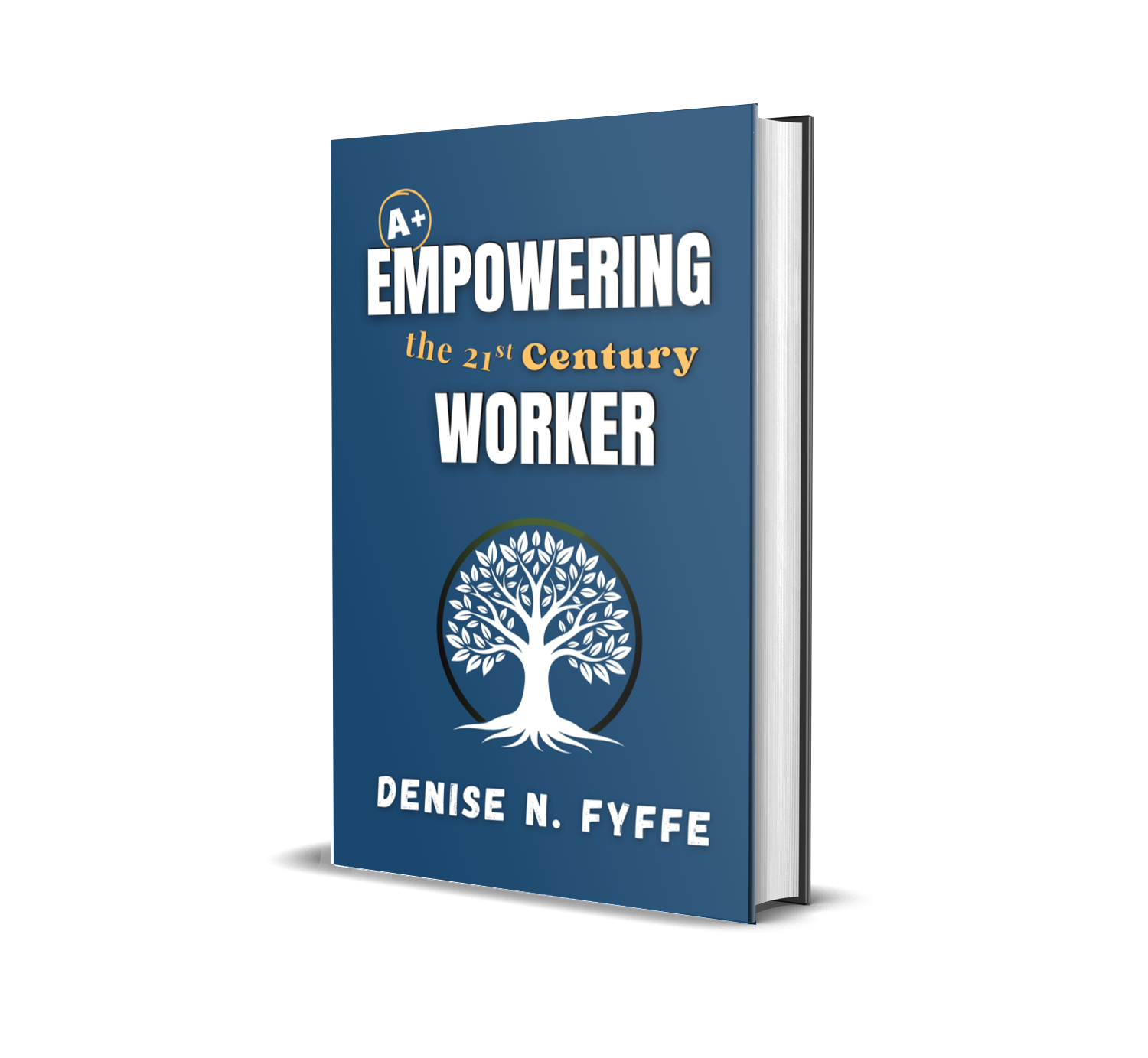
Empowering the 21st Century Worker

The Impact of Trade Unions in Jamaica
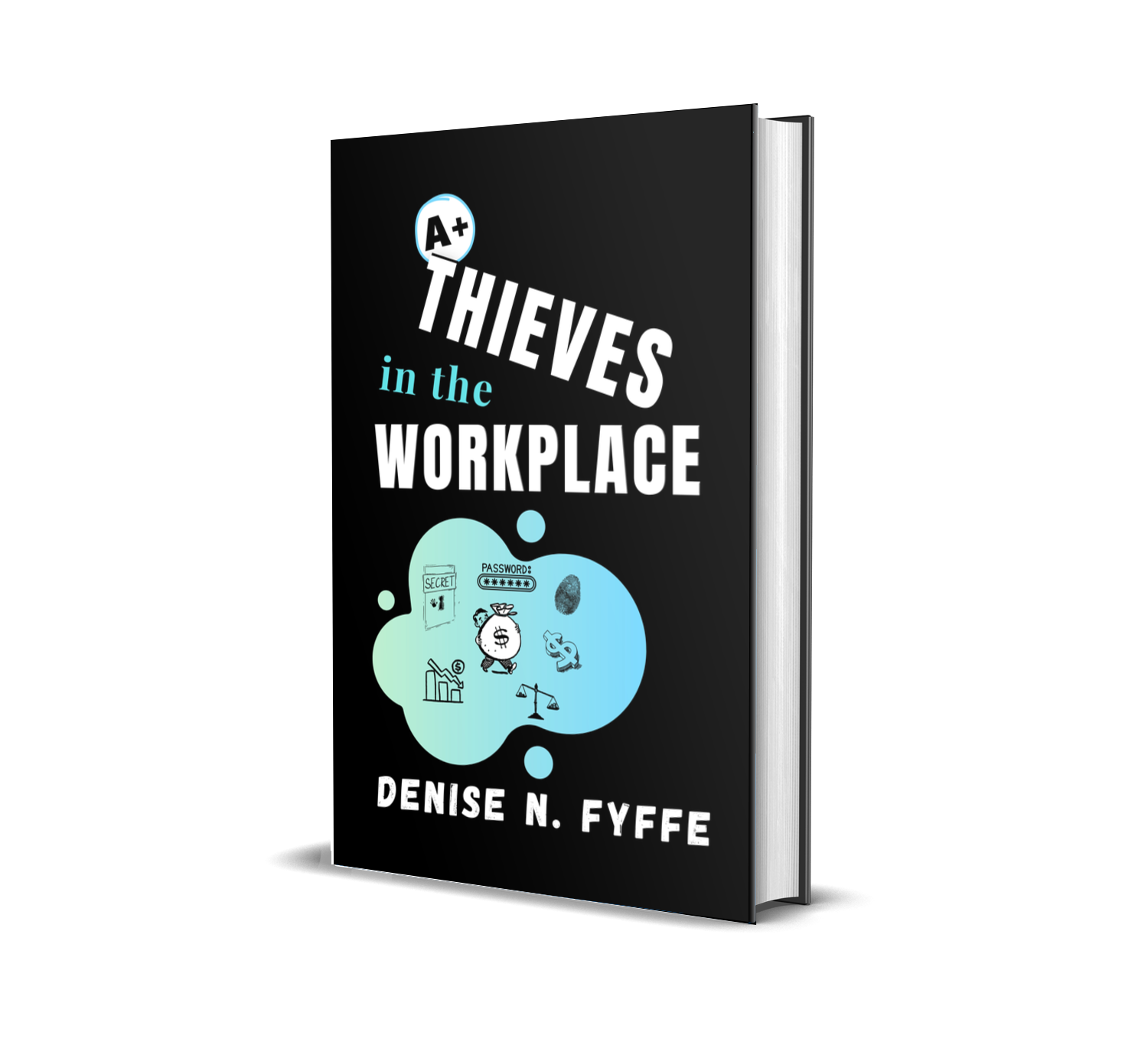
Thieves in the Workplace

The Psychology of Workplace Theft
 Jamaica Pen Publishers